Cameras, Chats, and Quiet Exits: Rewriting the Rules of Professional Behavior in the Virtual Conference Room
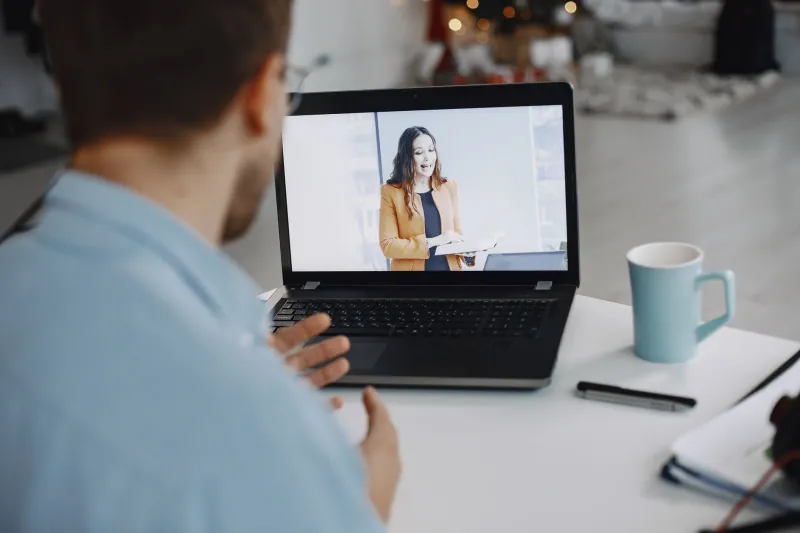
For decades, conference etiquette was transmitted by osmosis. You dressed one notch above the badge lanyard. You did not interrupt a speaker mid-podium. You asked questions that were actually questions. The physical ballroom enforced its own norms—bodies in seats, eyes forward, phones in pockets.
Virtual expos dismantled all of that and offered almost nothing in its place. The result is a confusion zone where attendees genuinely do not know the rules: Is the camera expected on? Is direct-messaging a speaker forward or forward-adjacent? Does a registered attendee with seven browser tabs open count as present?
These are not trivial questions. In professional spaces, etiquette is reputation infrastructure. How you behave when nobody can see you is precisely what colleagues remember when they decide whom to trust, refer, and hire.
The Camera Question, Settled
Start with the most contested norm. Cameras on, always? No—and pretending otherwise is theater. What matters is engagement visibility during moments that are interactive. In breakout rooms, one-on-one networking sessions, and Q&A segments, a camera on signals presence and earns proportionally more connection. During a keynote you are absorbing alongside five hundred others, a camera is optional and often a kindness to your own attention.
The real faux pas is neither camera on nor off. It is the black square with a name like 'iPhone 14' who, when called on, reveals they have been elsewhere for forty minutes. If you will not be present, be honestly absent.
Chat Is a Room, Not a Feed
New attendees treat session chat the way they treat social media—reactions, jokes, drive-by commentary. Veterans treat it as a professional room with a visible transcript.
The distinction matters because chat in virtual expos is frequently archived, screenshot, and—this is the part people forget—read by vendors and speakers evaluating the audience. A sharp, substantive question in chat has launched more than one consulting engagement and job interview. A running joke thread has ended more than one. Contribute the way you would speak in a room where the microphone is always slightly hot, because it is.
DMing Speakers: Forward, With Manners
The direct message has collapsed the barrier between audience and stage, and most attendees mishandle it in one of two directions—never reaching out at all, or opening with a three-paragraph pitch.
The modern norm sits between. A short, specific message within a day of the session lands well: reference a particular point the speaker made, ask one focused question, and make no ask of their time. Speakers at virtual expos report that thoughtful DMs are among the few things that make the format feel worthwhile. The pitch-first message, by contrast, is the digital equivalent of cornering someone at the coffee station with your résumé.
The Multi-Tab Problem
Then there is the honesty question nobody wants to name: attendance. Registration data suggests a meaningful share of 'attendees' at virtual events are passively present at best—session audio murmuring while email gets answered.
Everyone multitasks sometimes; pretending otherwise is pointless. But there is a difference between stepping out of a room and occupying a seat while performing presence. If you want continuing education credit, attend. If you want the content, watch the recording at full attention later. The practitioners who damage their standing are not those who skip a session, but those who appear in networking rooms, chat threads, and follow-up conversations having absorbed nothing—asking questions the speaker answered in minute four.
A Working Code of Conduct
Distilled, the emerging etiquette of the virtual conference room fits on an index card:
- Camera on where interaction happens; honest absence where it doesn't.
- Write chat as if it will be read by your next employer, because it might be.
- Message speakers with specificity and generosity; never lead with the ask.
- Attend what you attend. Recordings exist for a reason.
- Follow up within a week, while the shared experience is still warm.
Credibility Is the Currency
The professionals who thrive in hybrid professional spaces are not the most technically fluent or the most extroverted. They are the ones whose behavior is legible—who conduct themselves so consistently that colleagues and vendors alike know exactly what working with them feels like, on screen or off.
Old etiquette was about not giving offense in a shared physical room. The new etiquette is about signaling reliability in a space designed for distraction. Master it, and you will stand out in every virtual room for exactly the right reasons.